









Why Labels Fail-and How Engineered Solutions Solve the Problem
Understanding How Engineered Label Solutions Address Real-World Challenges
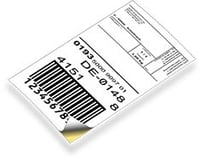
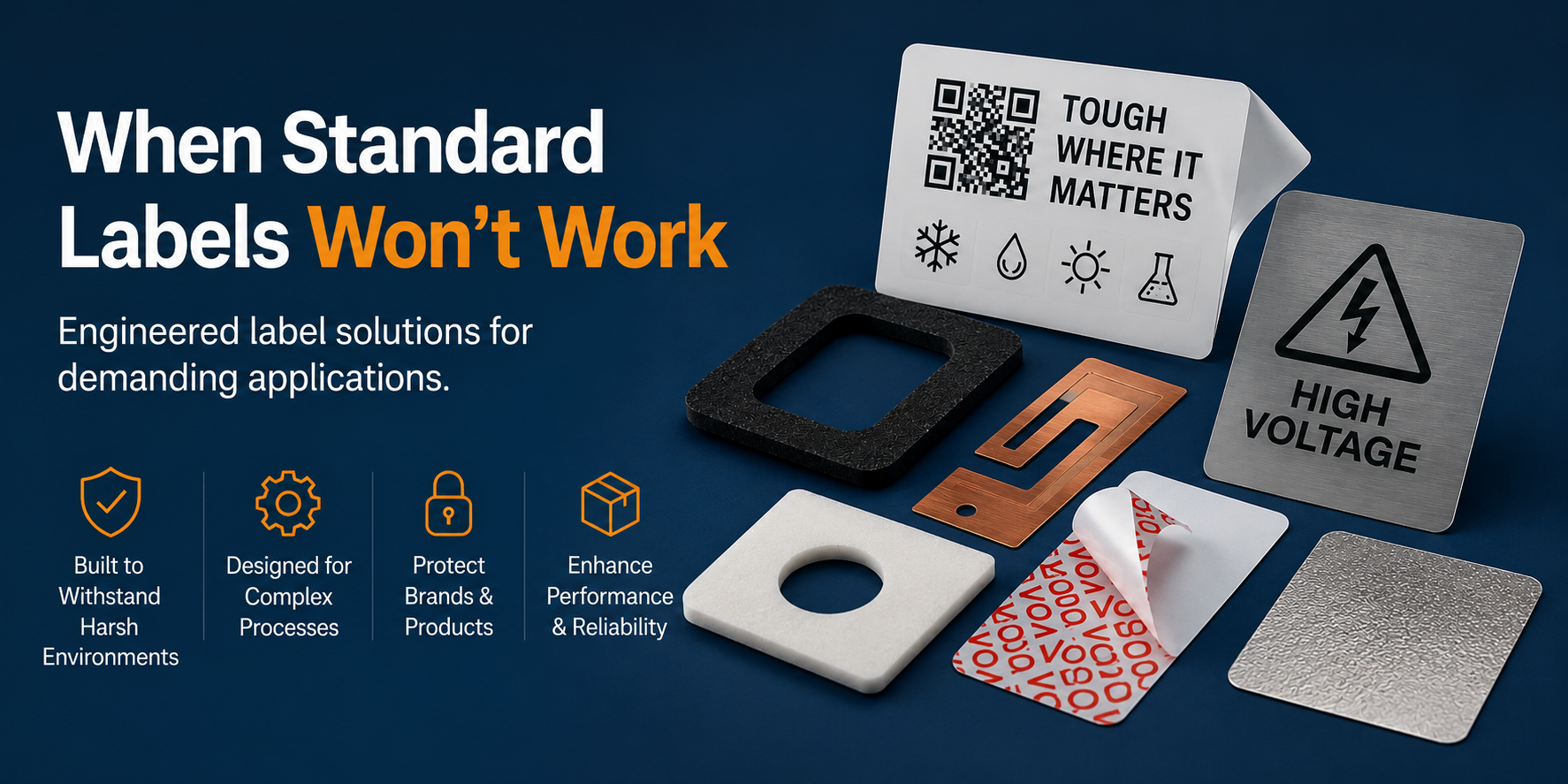
Most people picture a label as a matter of shape, size, and printed content—often the familiar blank 4×6. In demanding applications, though, a label is doing far more than identifying a product. It may need to survive a harsh environment, move cleanly through high-speed production equipment, carry detailed regulatory information, strengthen a brand on a crowded shelf, or guard against counterfeiting. In some cases, the “label” is performing a function that has little to do with identification at all. Engineered label constructions can serve as gaskets, spacers, insulating layers, or protective materials. These solutions leverage the same material selection, adhesive technology, laminating, and converting expertise used in traditional labels, but they become an integral part of the product’s performance rather than simply carrying information. Each of those goals places different demands on the materials and construction, and understanding those demands is the key to choosing a label that performs.
This guide walks through the main situations where a standard label falls short and explains the engineering choices that solve each one.
Labels for Challenging Environments
Not every label lives in a clean, climate-controlled space. Many applications expose labels to conditions that cause an ordinary pressure-sensitive label to curl, fade, smear, or fall off entirely. Common stress factors include:
- High-temperature exposure, which can break down adhesives and distort facestock
- Freezer and cold-storage environments, where adhesives must bond at low temperatures
- Moisture and washdown conditions that lift edges and dissolve inks
- Outdoor weathering from UV light, rain, and temperature swings
- Chemicals and solvents that attack both the printed image and the adhesive
- Dusty or dirty manufacturing settings that interfere with adhesion
- Abrasion and frequent handling that wear away printed content
- Front and back die cuts that control how the label releases and folds
- Adhesive deadening, which creates non-stick zones for tabs or windows
- Multi-layer constructions, such as seven-panel expanded-content labels (ECLs)
- Extended content labels that pack more information onto a limited surface
- Booklet labels for multi-page instructions or multilingual content
- Peel-and-reseal designs for packages opened more than once
- Tamper-evident features that reveal whether a package has been opened
- Specialized adhesive coat-weight constructions tuned to the surface and process
- Foil stamping, both hot and cold, for metallic accents
- Embossing and debossing to add tactile, dimensional detail
- Spot varnishes that highlight specific elements with contrast
- Matte and gloss finishes that shape how light reflects off the surface
- Soft-touch coatings for a distinctive tactile feel
- Metallic facestocks and films
- Clear, “no-label-look” constructions
- Specialty laminates that protect and elevate the finished piece
- Tamper-evident material constructions that show interference
- Destructible materials that fracture if removal is attempted
- Security slits that prevent a label from being lifted intact
- UV-reactive inks visible only under ultraviolet light
- Hidden graphics and microtext that resist copying
- Holographic elements that are difficult to reproduce
- Taggants embedded in the ink for forensic verification
- Custom security features designed for a specific product
The label that withstands these conditions is the result of matching four elements to the environment: the facestock (the printable material), the adhesive, any protective laminate, and the printing method. A freezer-grade adhesive, for example, behaves very differently from a high-tack permanent adhesive, and a topcoat or laminate can be the difference between print that lasts and print that rubs off. The reliable approach is to characterize the environment first, then specify materials engineered for those exact conditions.
Engineering a Label to Fit the Process
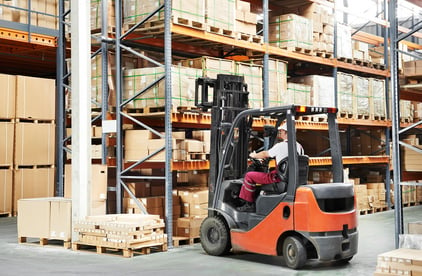
Sometimes the difficulty isn’t the environment—it’s the production or application process itself. A label may need to fit a specific dispensing speed, wrap a curved surface, expose an adhesive-free zone, or hold a large volume of text in a small footprint. This is where label construction becomes an engineering problem rather than a printing one. Techniques that solve these challenges include:
A small construction change often produces an outsized improvement in how a label runs through a line or performs in the field. In other cases, the fix involves several coordinated changes—adjusting the application method, the dispensing equipment, or the programming that drives it—so the label and the process work together rather than against each other.
Helping a Product Stand Out on the Shelf
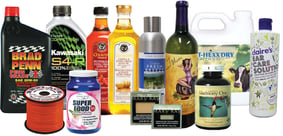
For consumer-facing products, the label is frequently the first thing a shopper notices and can directly influence a purchasing decision. Beyond communicating information, a well-designed label signals quality, reinforces brand identity, and lends a premium feel. A range of decorative and finishing techniques contributes to that impression:
These methods draw attention while reinforcing the brand’s image and perceived value. The most effective designs use them deliberately—pairing a finish to a specific brand goal rather than applying effects for their own sake.
Protecting Brands from Counterfeiting
Counterfeiting is a growing concern across many industries, and labels can serve as a meaningful layer of authentication and brand protection. Anti-counterfeiting features generally fall into two groups: overt features a customer can see and verify, and covert features that are hidden or require a tool to detect. Depending on the application, these may include:
Layering several of these technologies makes a product substantially harder to duplicate and gives both sellers and buyers greater confidence that the goods are authentic. The right mix depends on the threat level, the verification method available in the field, and the value of the product being protected.
Why Experience Makes the Difference
Across all these scenarios, the common thread is diagnosis. Selecting a label well depends on understanding the application, asking the right questions, anticipating where a label is likely to fail, and engineering a construction that performs reliably in real conditions rather than only on paper.
That judgment draws on knowledge of label materials, adhesives, print technologies, and application methods—and on how those variables interact. Whether the priority is surviving harsh conditions, improving manufacturing efficiency, tracking a product more effectively, or strengthening packaging and brand, the same disciplined process applies: define the requirements, match the materials, and validate the result.
When a standard label isn't enough, the solution often requires more than selecting a different material from a catalog. It requires understanding the application, identifying the factors driving failure, and engineering a construction that meets the product's unique requirements. That's where experienced label specialists can make the difference- helping manufacturers navigate the many material, adhesive, printing, and converting options available to develop a solution that performs reliably in the real world.